Oaxaca's Sacred Hearth: Earth, Smoke, and Millenary Corn
Published on August 19, 2024 • 10 min read
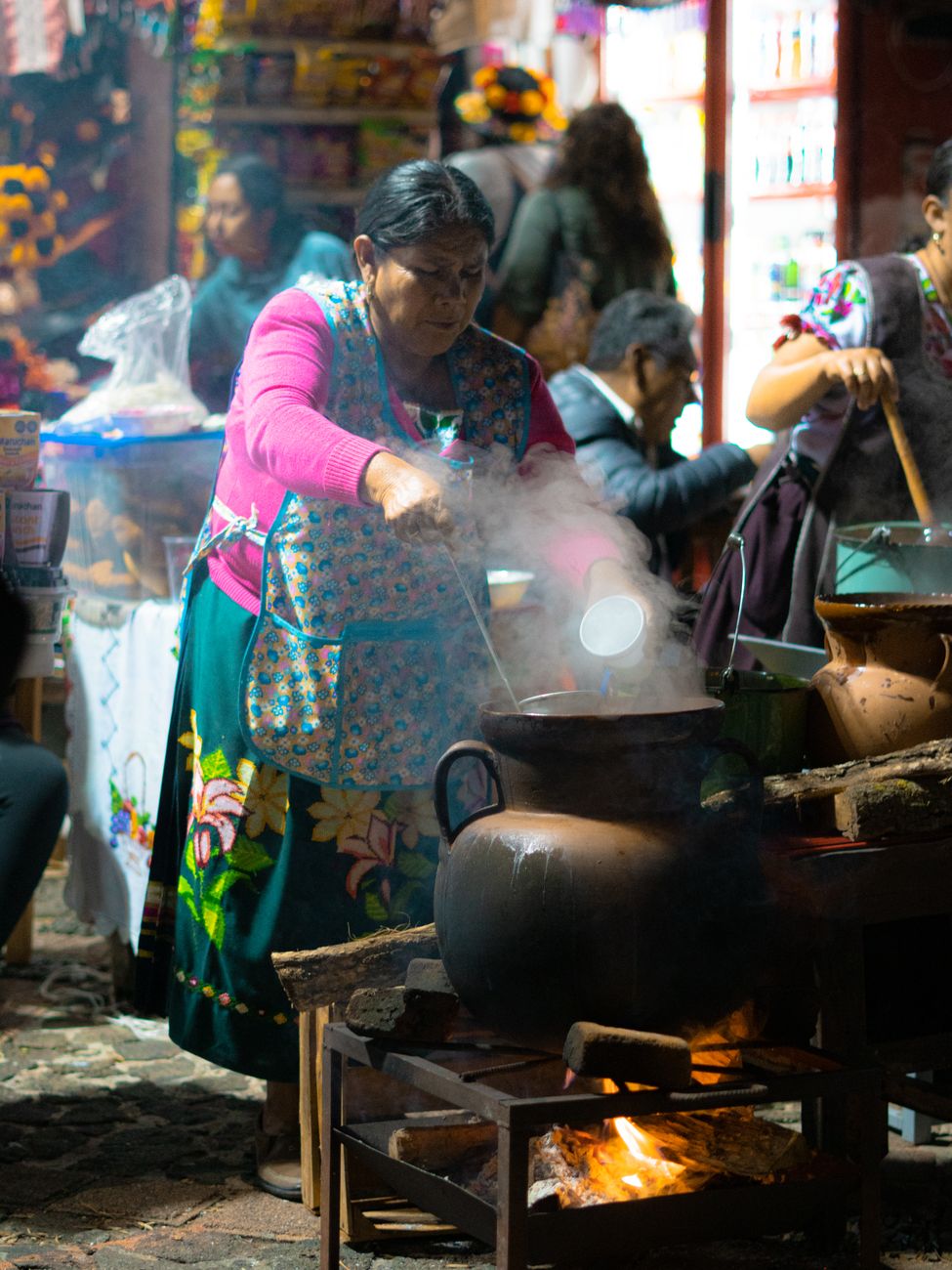
In the mountain valleys of Oaxaca, corn is not treated as a grain or commercial staple; it is understood as sacred flesh and cosmic origin. For over seven millennia, indigenous Zapotec and Mixtec communities have nurtured indigenous landraces of maize—yellow, deep violet, chalk white, and speckled red—transforming each kernel through the ancient chemical miracle of nixtamalization.
The Smoke of the Metate and the Clay Comal
Walking into a morning kitchen in Teotitlán del Valle, the senses are instantly captivated by burning oak, ground Mexican cinnamon, toasted chilhuacle chiles, and sweet roasted masa. Traditional cooks kneel before volcanic rock metates, grinding roasted cacao and dried heirloom chiles with tireless, rhythmic grace passed down across ten generations.
"Mole is not a sauce; it is a sacred tapestry of history, geography, and ancestral botanical intuition."
Small-Batch Mezcal and Desert Agaves
Beyond the culinary centers of the central valley, rugged dirt roads climb into the Sierra Sur where artisan distillers work in sync with seasonal rainfall. Using wild varieties of agave such as Tobalá and Tepeztate—plants that require twenty to thirty years of desert sun to reach maturity—these mezcaleros roast the agave hearts in subterranean stone pits fired by river stone and black mesquite wood.
Responsible travel throughout Oaxaca requires engaging directly with artisan cooperatives, purchasing fair-trade textiles, and seeking out indigenous-led cooking schools that channel profits directly into village seed banks.
Access the Culinary Terroir Directory
Learn more about heirloom seed conservancies and verified traditional family palenques in Oaxaca.
Connect with Our Culinary Editors