The Quiet Sanctuaries of Kyoto: Finding Stillness in Autumn
Published on October 14, 2024 • 8 min read
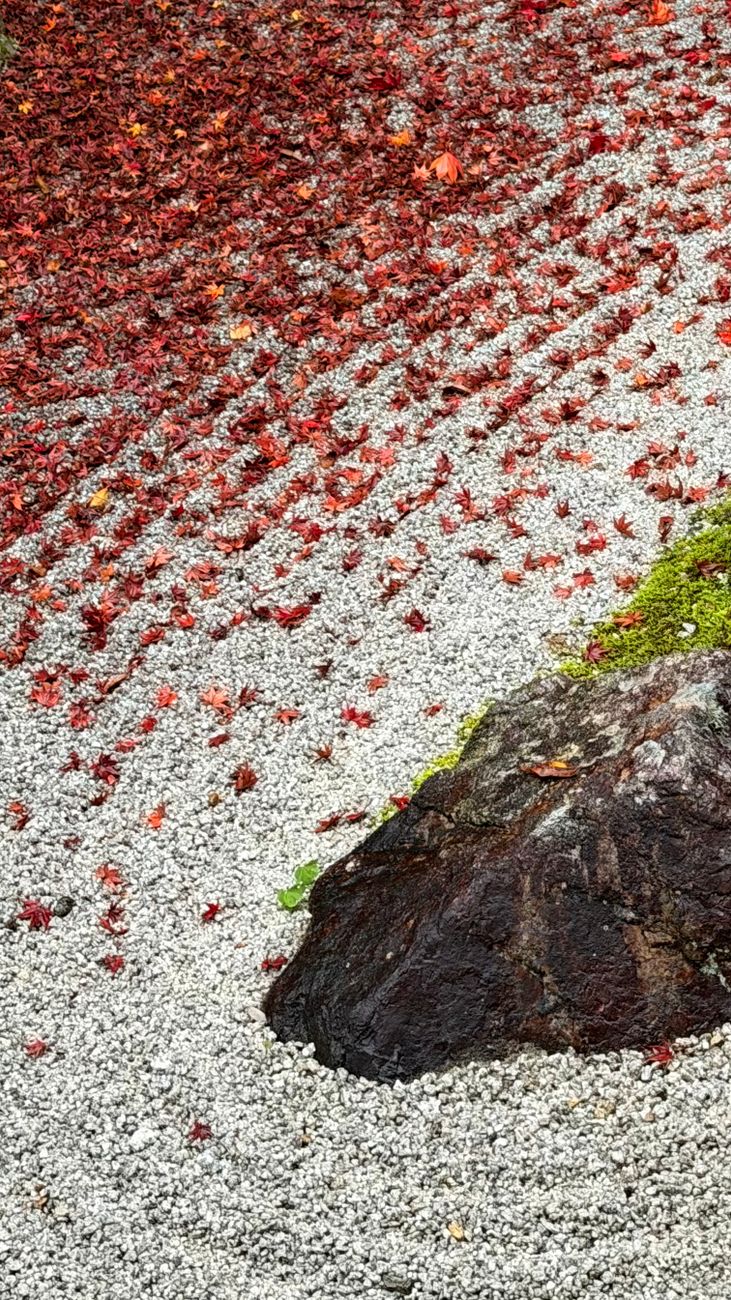
To arrive in Kyoto when the Japanese maples first surrender to crimson is to encounter an ancient dialogue between temporal impermanence and architectural permanence. While the corridors of Gion and the vermilion arches of Fushimi Inari carry the roar of contemporary tourism, an entirely distinct geography reveals itself to those willing to awaken before dawn and venture north toward the foothills of Rakuhoku.
The Architecture of Emptiness (Ma)
In Japanese spatial philosophy, ma represents the meaningful pause, the negative space that gives form to presence. Within temple compounds such as Daitoku-ji and Manshu-in, the stone gardens are not mere ornamental landscapes; they are rigorous exercises in visual discipline. Raked white granite gravel echoes the slow ripple of oceanic tides, punctuated only by weathered river stones positioned with mathematical subtlety.
"Here, the garden does not demand admiration; it asks only that you abandon your haste and match the rhythm of falling pine needles."
Walking the Unmarked Mountain Trails
Setting out along the ancient Takao mountain path in late morning, the traveler encounters wooden teahouses perched over rushing river water. Here, the aroma of roasted green tea (hojicha) mingles with the damp perfume of Hinoki cypress. Stepping across tatami mats that have sustained footsteps across three centuries, one quickly understands why the preservation of these sanctuaries is a communal duty rather than a commercial enterprise.
When engaging with Kyoto's quietest temples, respectful conduct requires deliberate mindfulness: removing footwear with care, maintaining quiet voices, and honoring the monks' prohibition of photography in sacred meditation halls. By stepping away from the lens, memory regains its tactile richness.
Receive Further Dispatches
Explore our complete Japanese heritage dossier including lodging addresses, train timetables, and artisan studios.
Request Full Dossier